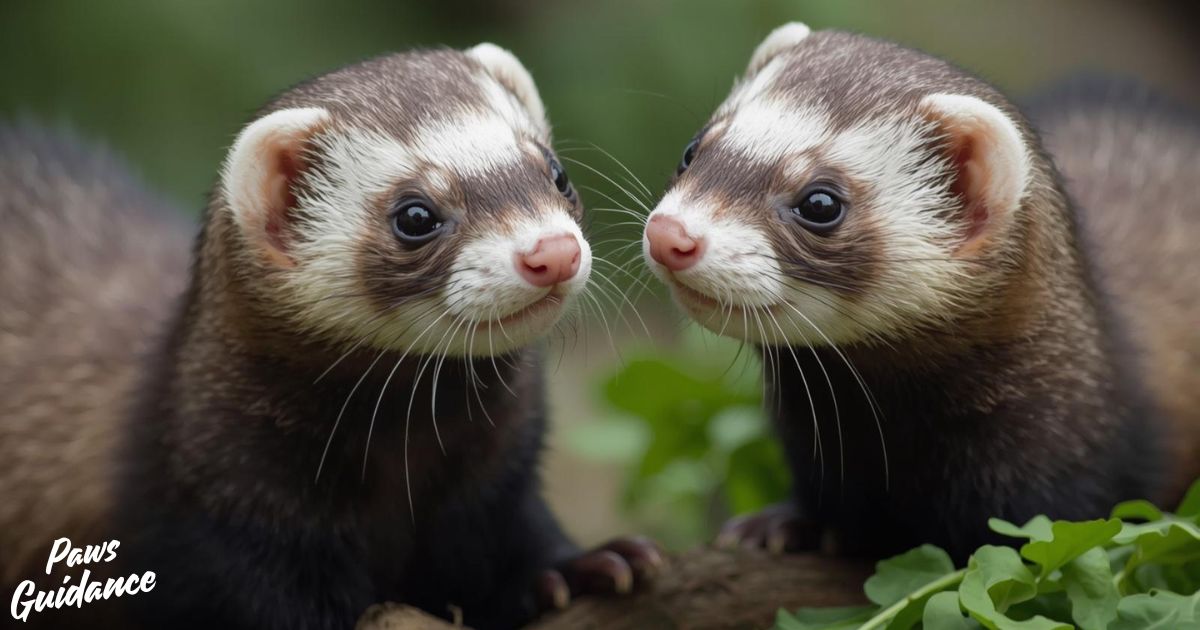
Ferrets are playful pets that love exploring new tastes, which often makes owners wonder what human foods can ferrets eat? Some foods can be safe and healthy, while others can cause serious harm.
Ferrets are strict carnivores. They need high protein and fat but very little sugar or carbohydrates. That means most fruits, vegetables, and dairy aren’t suitable for them.
In this guide, you’ll learn which human foods are safe, which to avoid, and how to introduce new treats the right way. With the right knowledge, you can keep your ferret happy, active, and healthy every day.
Human Foods Healthy and Safe for Ferrets
Many pet owners want to share snacks with their ferrets, but only a select group of foods are truly safe. Ferrets are obligate carnivores — their digestive system is built for meat, not plant matter or sugars.
Safe human foods generally include plain, cooked meats (without seasoning or bones) and small amounts of lean fish occasionally.
When giving any human food to a ferret:
Offer only a small portion as a treat, not a meal replacement.
Ensure it’s plain, unseasoned, correctly cooked, and free of additives.
Monitor your ferret’s reaction and stool after introduction.
Incorporating these occasional treats alongside a high-quality, ferret-specific diet helps maintain health and supports enrichment without causing nutritional imbalance.
Can Ferrets Eat Cheese or Dairy Products?
Dairy products are generally a bad idea for ferrets. Most ferrets lack the enzyme lactase, meaning they can’t digest lactose properly and may develop digestive upset.
Cheese or milk might seem harmless, but offering them can result in diarrhea, abdominal discomfort, or worse long-term issues. Even small amounts carry risk.
If you find a lactose-free option, it’s still not ideal — these products often have other ingredients like salt or sugar. A better path is sticking to meat-based treats tailored for ferrets. Your ferret will be safer, and you’ll avoid unintended health problems.
Can Ferrets Eat Bacon?
Bacon is not recommended for ferrets. Though meat-based, it is highly processed, salty, and fatty — traits that make it an unsuitable human food treat.
The high salt and fat content can stress a ferret’s liver or lead to weight gain and digestive upset. Regular processing also means preservatives or additives that are best avoided.
If you want to offer a pig-meat treat, choose a plain, cooked piece of lean pork (unseasoned and trimmed of fat) instead of bacon. Even then, make it a very occasional treat, and ensure your ferret’s main diet remains high in protein and low in carbohydrates.
Can Ferrets Eat Tuna Fish?
Tuna fish may seem like a convenient human-food option, but it must be treated with caution for ferrets. Some lean fish can be acceptable as a treat, but only if it’s plain, thoroughly cooked, and free of bones or seasoning.
There are a few considerations:
Fish often has high omega-3 fats but may also carry heavy metals or environmental residues.
Some ferrets may dislike fishy tastes or smells, making it a less reliable treat.
Avoid canned tuna with oil, salt, or flavorings — these can harm ferret health.
Used sparingly and prepared correctly, cooked lean fish can diversify your ferret’s treat options — but it should never replace their core meat-based diet.
Can Ferrets Eat Turkey?
Yes — cooked, lean turkey can be a safe human food treat for ferrets if done correctly. Lean turkey meat aligns well with ferrets’ carnivorous needs: high in protein and generally low in carbohydrates.
Important rules to follow:
Use plain, unseasoned, fully cooked turkey.
Remove skin, fat layers, and bones, and avoid processed turkey products with additives.
Offer only small, bite-sized pieces to prevent choking.
When added in moderation to a ferret’s high-protein base diet, turkey can provide healthy variety and enrichment without disrupting their nutritional balance.
Can Ferrets Eat Raw Chicken?
Raw chicken is controversial for ferrets. While ferrets are carnivores capable of eating raw meat in theory, many veterinarians advise caution due to the risk of bacterial contamination (such as salmonella) and the need to ensure a proper balance of nutrients.
If you decide to feed raw chicken:
Source very fresh, high-quality meat.
Remove bones (unless well-supervised and appropriate) and avoid seasoning.
Monitor for any digestive upset.
An easier alternative is to cook the chicken thoroughly and offer it without bones or seasoning. While raw may mirror natural prey diets, the safety risks often outweigh the benefits for many pet ferrets.
Can Ferrets Eat Peanut Butter?
The short answer: avoid peanut butter for ferrets. Although appealing to humans, peanut butter is high in fat and often contains sugar, salt, and additives — all of which make it unsuitable for ferrets.
Ferrets are not built to digest large amounts of fat, sugar, or mixed additives. Peanut butter can lead to pancreatic stress, obesity, or digestive problems over time.
If you’re looking for a treat your ferret will love, choose a plain, cooked meat treat or a commercial ferret-safe snack. It’s much safer and aligns better with your pet’s nutritional needs.
How to Safely Introduce New Human Foods to Your Ferret
Introducing new human foods to your ferret requires care and a slow approach. Here are practical steps to make it safe and comfortable:
Start small: Offer a tiny amount of the new food alongside their regular diet.
Observe: Check for any digestive upset, changes in stool, or appetite differences over 24–48 hours.
Limit frequency: New treats should occur infrequently — ideally as a once- or twice-weekly bonus, not daily.
Stick to plain preparation: No seasoning, no bones (unless appropriate), no additives.
Keep core diet stable: Any human-food treat must supplement — not replace — your ferret’s high-protein base diet.
By following these steps, you reduce the risk of upsetting your ferret’s digestive balance or causing long-term health issues. Focus on gradual changes and quality over quantity.
FAQ
What are the best human foods to give a pet ferret as occasional treats?
Plain, cooked meats such as chicken, turkey, or lean beef are the best options for ferrets. These foods match their natural protein needs and are safe when offered unseasoned and in small amounts.
How often can I introduce a new human food into my ferret’s diet?
Introduce a new food no more than once every one to two weeks. Offer only a small piece and monitor your ferret’s digestion and behavior before trying another new item.
Can ferrets safely eat cooked versus raw meat, and what are the risks?
Cooked meat is generally safer because it eliminates harmful bacteria. Raw meat can mimic a natural diet but carries risks like salmonella, so only feed it if it’s fresh, clean, and properly handled.
What human foods are strictly unsafe or toxic for ferrets?
Avoid foods like chocolate, onions, grapes, raisins, dairy, processed meats, and anything high in sugar or salt. These can cause severe digestive issues, poisoning, or long-term organ damage.
How do I know if a human food has affected my ferret’s health or digestion?
Watch for diarrhea, vomiting, lethargy, or loss of appetite within 24–48 hours after feeding. If symptoms appear, stop the food immediately and consult a veterinarian for advice.
Should I replace my ferret’s commercial food with human-prepared meals?
No — ferrets need a nutritionally complete, high-protein diet that commercial ferret food provides. Human-prepared meals should only supplement their main diet as small, occasional treats.
Final Verdict
In summary, ferrets thrive on a diet built around animal protein and fat, with minimal carbohydrates or additives. While a few plain, cooked human foods — like lean turkey or chicken — can work as occasional treats, many common snacks (including dairy, processed meats, or peanut butter) should be avoided. Introduce new foods slowly, keep portion sizes small, and always monitor how your pet responds. With care and attention, you can safely enrich your ferret’s diet without compromising their health or well-being.
